

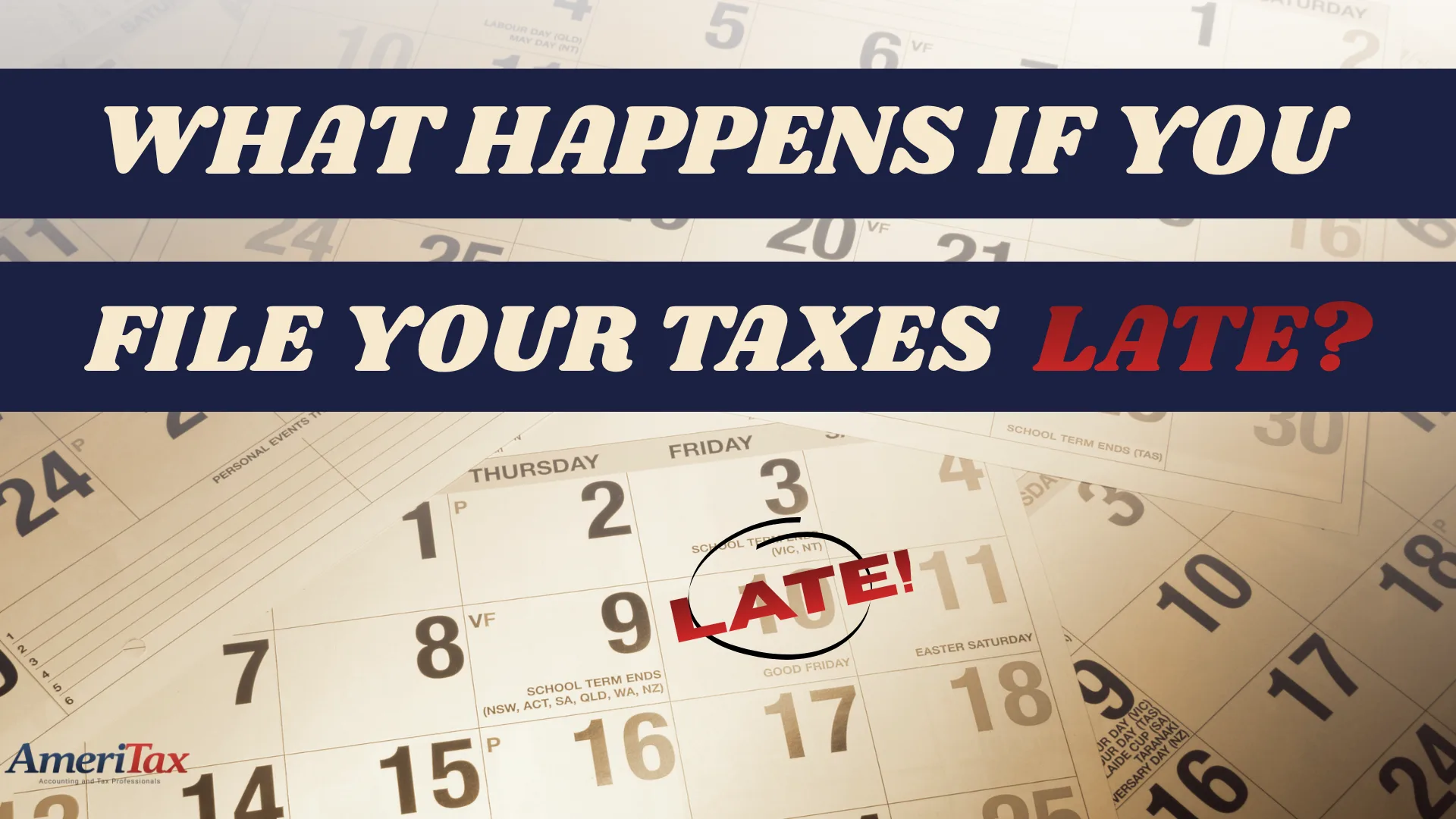
Missing the tax deadline can feel stressful, but it does not mean the situation is hopeless. What happens next depends on two main things: whether you owe tax and whether you filed an extension on time. For most taxpayers, the 2026 federal filing deadline was April 15, 2026. The IRS says taxpayers who missed that date should still file as soon as possible.
If you file late and owe taxes
If you owe tax and file late without a valid extension, the IRS can charge a failure-to-file penalty. That penalty is usually 5% of the unpaid tax for each month or part of a month the return is late, up to a maximum of 25%. If your return is more than 60 days late, there is also a minimum late-filing penalty; for returns required to be filed in 2026, it is the lesser of $525 or 100% of the tax owed.
On top of that, the IRS can also charge a failure-to-pay penalty if you do not pay your tax by the due date. That penalty is usually 0.5% of the unpaid tax per month or part of a month, up to 25%. Interest can also continue to build on unpaid tax and on some penalties.
If you file late but are due a refund
If the IRS owes you a refund, there is generally no penalty for filing late. Even so, you should still file as soon as you can. The IRS says you usually have 3 years from the return due date to claim a refund, and waiting too long can mean losing that money.
If you requested an extension
An extension gives you more time to file, usually until October 15, but it does not give you more time to pay. The IRS is clear that taxes still need to be paid by the original due date to avoid or reduce penalties and interest.
That means an extension can help you avoid the late-filing penalty, but not the late-payment penalty, if you still owe money after the due date.
Why filing late is usually worse than paying late
If you cannot do both, the IRS generally encourages taxpayers to file on time even if they cannot pay in full. That is because the late-filing penalty is usually much larger than the late-payment penalty. Filing the return limits one of the bigger charges and can put you in a better position to work out payment options.
What to do if you cannot pay your full tax bill
The worst move is usually doing nothing. The IRS offers payment options for taxpayers who cannot pay in full right away. Depending on your balance, you may qualify for a short-term payment plan or a monthly installment agreement. The IRS Online Payment Agreement system lets eligible taxpayers apply online and receive immediate notice if the plan is approved.
The IRS says a short-term payment plan may be available if you owe less than $100,000 in combined tax, penalties, and interest. A simple payment plan may be available if you owe $50,000 or less and have filed all required returns. If you filed on time as an individual and then get an approved payment plan, the failure-to-pay penalty can be reduced to 0.25% per month while the agreement is in effect.
Can the IRS reduce penalties?
Sometimes, yes. The IRS says some taxpayers may qualify for penalty relief, including First Time Abate or relief based on reasonable cause. Examples of reasonable cause can include serious illness, natural disasters, inability to get records, or certain system issues that delayed timely filing or payment.
What should you do now if you missed the deadline?
Start by filing your return as soon as possible. If you owe money, pay as much as you can right away to reduce penalties and interest. If you cannot pay in full, look into an IRS payment plan instead of ignoring the bill. If you think you may qualify for penalty relief, gather records that support your reason and review the IRS penalty-relief guidance.
Final thoughts
Filing late can lead to penalties, interest, and IRS notices, especially if you owe tax. But the situation is usually fixable. The key is to act quickly. File the return, pay what you can, and use an extension or payment plan properly when needed. The longer you wait, the more expensive the problem can become.
Contact AmeriTax Dallas today for assistance.
Sources
| Failure to file penalty | irs.gov/payments/failure-to-file-penalty |
| Failure to pay penalty | irs.gov/payments/failure-to-pay-penalty |
| Taxpayers who missed the April tax filing deadline should file as soon as possible | irs.gov/newsroom/taxpayers-who-missed-the-april-tax-filing-deadline-should-file-as-soon-as-possible |
| Extensions of time to file your tax return | irs.gov/taxtopics/tc304 |
| Online payment agreement application | irs.gov/payments/online-payment-agreement-application |
| Payment plans and installment agreements | irs.gov/payments/payment-plans-installment-agreements |
| IRS notices and bills, penalties and interest charges | irs.gov/taxtopics/tc653 |
| Administrative penalty relief | irs.gov/payments/administrative-penalty-relief |
| Penalty relief | irs.gov/payments/penalty-relief |
| Penalty relief for reasonable cause | irs.gov/payments/penalty-relief-for-reasonable-cause |